


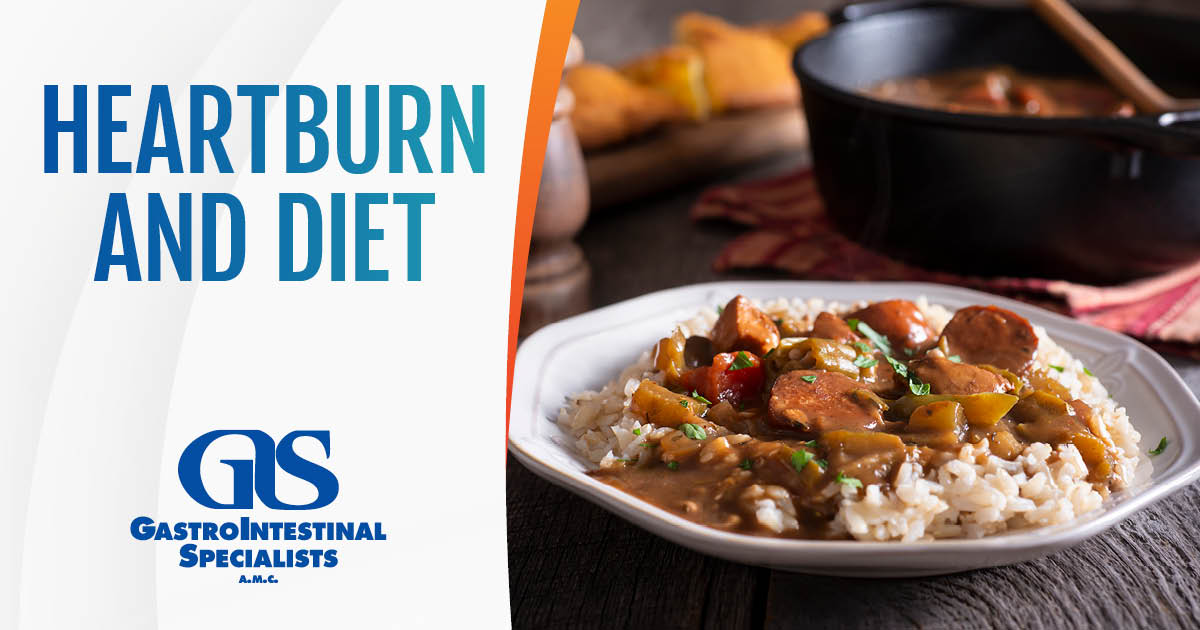
The chances are that you’ve probably encountered heartburn at some point in your life. You ate something (or a little too much of something) that triggered one, or you worked out or laid down too soon after eating. The next thing you know, your chest feels like it is on fire.
Maybe it was a one-time thing, like after the Natchitoches Meat Pie Festival. The combination of deep-fried food, a sugary drink and the road bumps along the drive home achieved the kind of heartburn that made you think you might be having a heart attack. Yet, you have not experienced heartburn since then (nor do you want to have it again).
On the other hand, it may be that heartburn happens quite frequently for you.
Whether heartburn happens occasionally or often, there are dietary changes you can make to avoid heartburn attacks or at least help lessen the number of appearances.
Heartburn Fast Facts
- Heartburn usually occurs when acidic liquid in the stomach is not contained properly, and it flows back up into the esophagus. This is called acid reflux.
- When acid reflux occurs two or more times a week or there is damage to the esophagus, it is known as gastroesophageal reflux disease (GERD).
- According to the American College of Gastroenterology, GERD affects approximately 20% of Americans.
- It occurs more commonly in people who are obese, pregnant or elderly.
- Other less common causes of heartburn include esophagitis and esophageal ulcers.
Common Heartburn Triggers
Although heartburn triggers can vary by the individual, there are a number of them shared by many patients. The most common heartburn causes are listed below.
Dietary Habits
- Overeating
- Eating large meals
- Lying down after eating or eating too close to bedtime
- Exercising or other bodily movements, such as bending down (or being jiggled up and down on a bumpy road) too soon after eating
Food Triggers
- High-fat foods, including fried foods, highly processed foods, and meats and cheeses that are high in saturated fats
- Acidic foods and drinks, such as citrus fruit and tomatoes
- Spicy foods
- Alcohol
- Caffeinated foods and beverages (coffee, tea, soda, chocolate, etc.)
- Carbonated drinks
- Peppermint
In addition to eliminating trigger foods or eating them in moderation to avoid an acid reflux attack, there are dietary modifications you can try that may help prevent them from happening in the first place. A plant-based diet focused on high-fiber and alkaline foods (such as fruits, vegetables, whole-grains, legumes and nuts) can be beneficial for many people suffering from GERD.
It’s also important to note that not all heartburn triggers are related to food. Other causes include:
- Medications
- Smoking
- Being overweight
- Tight clothing
- Hiatal hernia
When To See A Doctor
If you are experiencing heartburn regularly (at least twice a week) with no improvement from the aforementioned dietary and lifestyle modifications, it’s time to talk to your doctor. You may need to make an appointment with a gastroenterologist to investigate the issue.
The team at GastroIntestinal Specialists, A.M.C. treats multiple conditions and diseases of the gastrointestinal (GI) tract. Our board-certified physicians have more than 150 years of combined experience in providing quality care you can trust. To schedule an appointment, call (318) 631-9121 or visit gis.md/appointment-request.